

Open the news lately and every page reads like a list. Earthquakes in one country after another. Flooding in Nepal. An eruption in Indonesia. A typhoon is shutting down the trains in Tokyo. Different places, different disasters, all inside the same few weeks.
The explanation underneath all of it is usually the same: climate change. Then one report brought in a term I'd only half heard of — El Niño. It came up in remarks from UN Secretary-General António Guterres, who drew a careful line: El Niño isn't the root cause. Human-driven climate change, and the burning of fossil fuels in particular, is what's warming the planet, and it's what makes an El Niño year more dangerous than it would otherwise be. Reference
I'd nodded along with all of that more than once. Then I realised I couldn't have explained what El Niño actually is if someone had asked me.So I looked it up. It turns out I was half right, and the half I was wrong about is the interesting part.
What El Niño actually is
The Pacific Ocean is enormous, and the winds that blow across it usually push warm surface water westward, toward Asia and Australia. Every few years those winds weaken. The warm water stops piling up in the west and sloshes back east, toward South America.
That's it. That's El Niño. Warm water in a different place than usual.
It sounds small, but the ocean drives the atmosphere. Move that much warm water and you move where rain falls and where storms form — not just in the Pacific, but worldwide. It runs on a cycle of roughly two to seven years, and its opposite phase, when those winds blow harder than normal, is called La Niña.
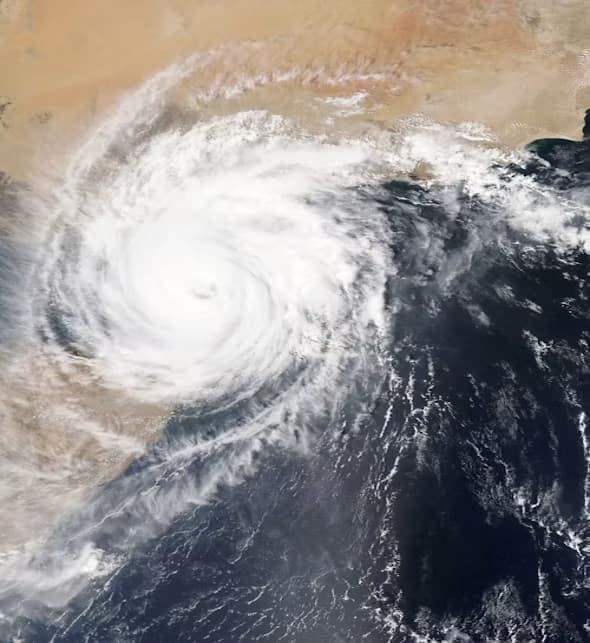
El Niño shifts where typhoons form in the Pacific — often further southeast, which gives them more open ocean to cross and more time to strengthen before they reach anyone. And separately from the cycle, the seas around Japan have been running warmer than they used to. Warm water is fuel. A storm crossing hotter water has more to work with.So the sense that the storms are behaving differently isn't imagined.
Here's where my assumption fell apart. Earthquakes and eruptions come from plate tectonics — slabs of the Earth's crust grinding against each other, driven by heat from deep inside the planet. That system doesn't know or care what the ocean surface is doing. Weather does not reach down there.
There is no seasonal pattern, no El Niño year, no warming trend that makes the ground shake more.
So why does it feel like more?
Partly because we're better at telling each other about it. The early warning system reaches my phone in seconds now, so I experience earthquakes I'd have slept through fifteen years ago. Partly because clusters happen naturally and our brains are excellent at finding patterns in them. And partly because a typhoon and an earthquake in the same month feel like one story when they're really two, and only one of them has anything to do with the climate.
I find that oddly reassuring. Not because the news got any better, but because I can now read it as two separate things instead of one big one.
最近ニュースを開くと、どのページも災害の一覧のように見える。
次々と異なる国で起きる地震。
ネパールの洪水。
インドネシアの噴火。
東京では台風の影響で電車が止まる。
場所も災害の種類も違うのに、どれも同じ数週間のうちに起きている。
そして、その背景にある説明としてよく挙げられるのが「気候変動」だ。
そんな中、ある報道で、以前からなんとなく耳にしたことはあったものの、よく理解していなかった言葉が出てきた。
「エルニーニョ」だ。
国連のアントニオ・グテーレス事務総長の発言でもこの言葉が取り上げられていたが、彼は両者を慎重に区別していた。エルニーニョそのものが根本的な原因なのではない。地球を温暖化させているのは、人間活動による気候変動、とりわけ化石燃料の燃焼であり、それによってエルニーニョが発生する年の危険性が、本来よりも高まっているのだ。参考記事
こうした説明を聞くたびに、私はこれまで何度も「なるほど」とうなずいてきた。
でも、ふと気づいた。
もし誰かに「そもそもエルニーニョって何?」と聞かれたら、私はきちんと説明できなかっただろう。
そこで調べてみた。
すると、自分の理解は半分は正しく、半分は間違っていたことが分かった。そして、面白かったのは、むしろその「間違っていた半分」のほうだった。
エルニーニョとは、実際には何なのか
太平洋はとてつもなく広い。通常、太平洋を吹く風は、海面付近の暖かい海水を西へ、西へと押し流し、アジアやオーストラリアの方向へ運んでいる。
ところが数年に一度、その風が弱まる。すると、西側に集まっていた暖かい海水がそこにとどまらなくなり、今度は東へ、南米の方向へと戻っていく。
それだけだ。
それがエルニーニョだ。
いつもとは違う場所に暖かい海水がある、という現象だ。
一見すると小さな変化に思える。
でも、海は大気の動きを左右している。
これほど大量の暖かい海水の位置が変われば、雨が降る場所や嵐が発生する場所も変わる。
それは太平洋だけにとどまらず、世界中の天候に影響を及ぼす。
エルニーニョは、およそ2~7年の周期で発生する。
そして反対に、通常よりも風が強く吹く時期は「ラニーニャ」と呼ばれる。
エルニーニョが発生すると、太平洋で台風が発生する場所も変化する。
多くの場合、発生地点は通常より南東寄りになる。
そのため、台風が広い海上を移動する距離が長くなり、人の住む地域に到達するまでに勢力を強める時間も増える。
さらに、この周期的な現象とは別に、日本周辺の海水温は以前より高い状態が続いている。
暖かい海水は、台風にとっての「燃料」だ。より高温の海を通過する嵐には、それだけ多くのエネルギーが供給される。
だから、「最近、台風の様子が以前とは違う気がする」という感覚は、単なる気のせいではない。
しかし、ここで私の思い込みは崩れた。
地震や火山の噴火は、プレートテクトニクスによって起きる。地球の内部にある熱によって動かされる地殻の巨大なプレート同士が、ぶつかり合ったり、こすれ合ったりすることで発生する。
この仕組みにとって、海面で何が起きているかは関係ない。天候の影響は、地球のそこまで深い場所には届かない。「この季節は地震が多い」といった季節的なパターンもなければ、「エルニーニョの年だから地震が増える」ということもない。地球温暖化が進むほど地震が増える、という傾向もない。
では、なぜ「増えた」ように感じるのか?
理由のひとつは、私たちが以前よりもはるかに早く、世界で起きていることを知れるようになったからだ。
今では緊急地震速報が数秒でスマートフォンに届く。15年前なら眠ったまま気づかなかったような地震まで、今の私は「経験」している。
また、災害がたまたま短期間に集中して起きることもある。そして私たちの脳は、そうした出来事の中からパターンを見つけ出すのがとても得意だ。
さらに、同じ月に台風と地震が起きれば、私たちはそれをひとつの大きな出来事のように感じてしまう。でも実際には、それらは別々の話だ。そして、気候と関係しているのは、そのうちの一方だけなのだ。
それが分かったことで、私は不思議と少し安心した。ニュースの内容が良くなったわけではない。
ただ、すべてを「ひとつの大きな異変」として見るのではなく、「ふたつの別々の出来事」として読めるようになったからだ。