

When I finish work in Tokyo, my day rarely ends when I close my laptop. I drop my notebook into my bag, grab my football boots, and squeeze into a crowded train that feels like a moving river of suits and backpacks. A few stops later I step out into a quieter neighborhood, follow the sound of bouncing balls between buildings, and there it is, a small artificial pitch glowing under bright lights, waiting for another night game.
On the sideline it looks like someone opened a portal and invited half the world. A university student still has his backpack on. A salaryman adjusts his sports glasses. A dancer stretches like she is about to step on stage. There is a fisherman with a deep tan, a teacher, a software engineer, a nurse, sometimes even a model holding a bag from a photo shoot. Different jobs, different passports, different stories, but the same spark in the eyes while we tie our laces.
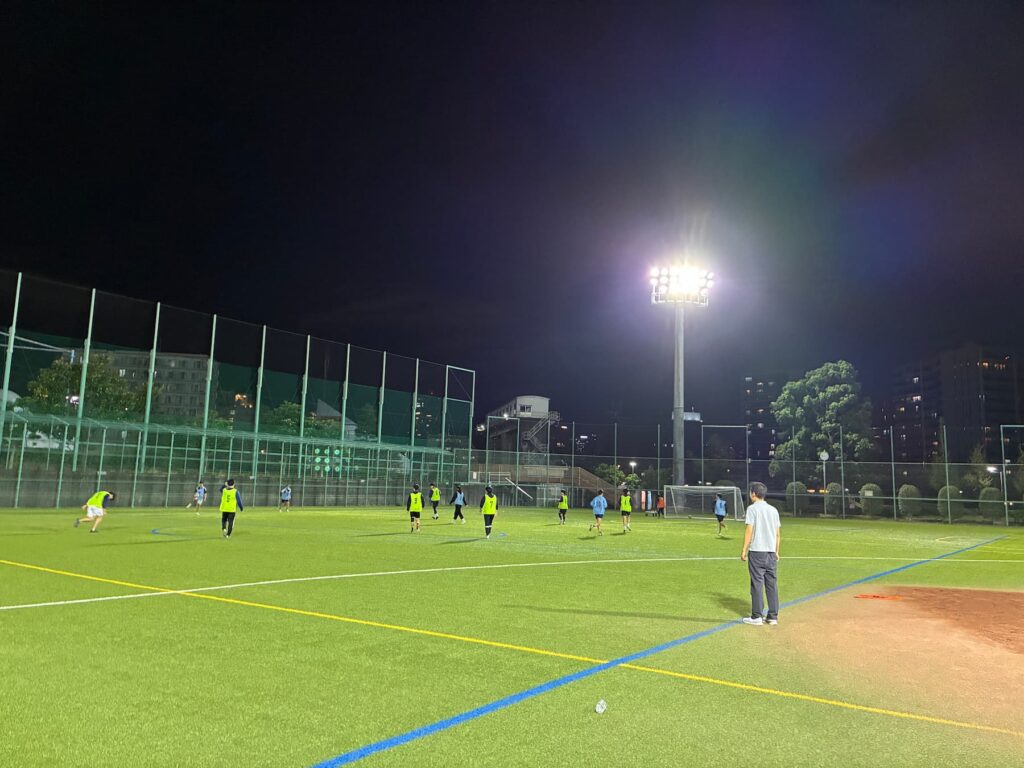
The moment the match starts, everything wakes up. The first clean pass cuts through any remaining awkwardness. Short shouts in different languages fly across the field. A teammate makes a smart run, someone dives to block a shot, everybody laughs when the ball flies over the fence into the parking lot. My brain switches off the part that worries about deadlines, experiments and results. For that hour I am just chasing a ball under Tokyo’s night sky, trying not to slip on the rubber pellets.
I grew up playing in Mexico, where football feels like a street festival. People argue playfully, try crazy tricks and celebrate every goal like a final. Later, during internships in the United States, I joined games that were fast and physical, full of sprints and strong tackles. Tokyo brings a new flavor to that collection. The game here is sharp and organized, almost like a fast puzzle, but also incredibly gentle. Players clap for a brave idea even when it fails, say sorry when they bump into you, and keep running hard until the last second. Watching how culture changes the rhythm of the same sport is one of the reasons I keep coming back.
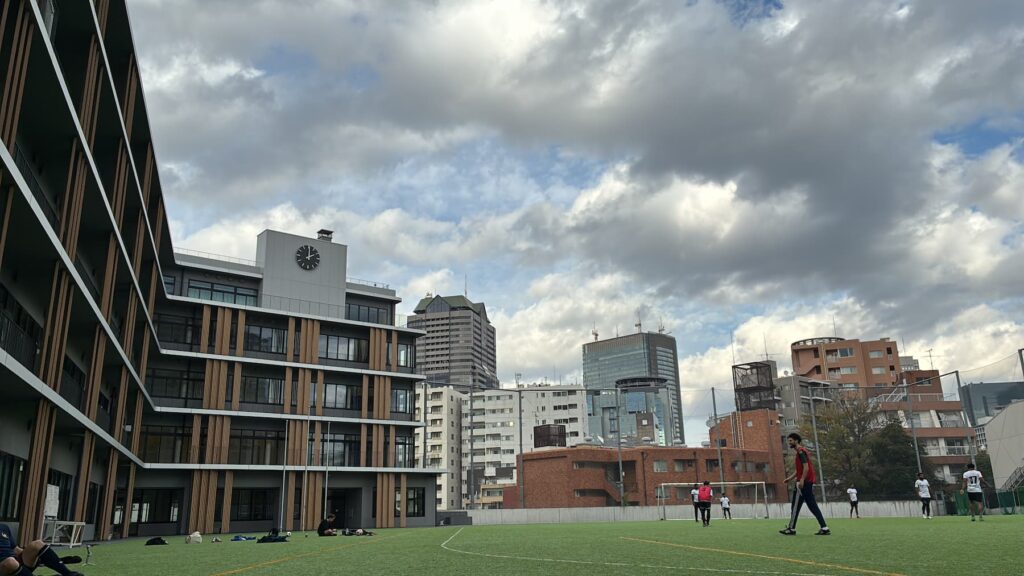
By day I work in artificial intelligence. I spend hours looking for patterns in data, combining different signals, training models and checking if they really improve. At night I see a living version of that process in front of me. Every player is like a unique data source. The teacher reads the field like a classroom and always knows where to stand. The teenager brings endless energy and presses every ball. The quiet defender moves into the right space before danger appears. When those abilities connect, our random group suddenly plays like a real team that has trained together for months.
That is the part I enjoy the most: seeing how diversity becomes strength. A good model needs variety to learn. A good team needs the same thing. For a few minutes strangers from many backgrounds move with one idea, one tempo and one target. For me, that is the real collision happening in Tokyo at night, not a clash that breaks things, but a meeting that builds something new.
When the final whistle blows, reality returns. We shake hands, say good job in different accents, and scatter back into the city. Some run to catch the last train; others walk to a convenience store for a drink and a quick snack. I head home tired, with black pellets stuck to my socks and sweat cooling on my face, but my head feels lighter.
When I think about my time in Japan, I will remember research projects, busy stations and long days in front of the screen. Yet the clearest pictures in my mind will probably be these night games in Tokyo, small fields hidden between buildings where my love for football, AI and multicultural life quietly train together under the floodlights.
(担当:Dassaef Lopez)
東京で仕事を終えても、ノートパソコンを閉じた時点で1日が終わることはめったにありません。パソコンをバッグにしまい、サッカーシューズを手にして、スーツとリュックでいっぱいの満員電車に乗り込みます。
それはまるで流れる川の中に自分も紛れ込むような感覚です。数駅先の静かな街に降り立ち、ビルの間から聞こえるボールの跳ねる音を頼りに歩くと、明るい照明に照らされた小さな人工芝のピッチが姿を現します。今夜の試合を待つ場所です。
タッチラインに立つと、まるで世界の半分がここに集まったかのようです。
リュックを背負ったままの大学生、スポーツ用メガネを直すサラリーマン。舞台に上がる前のようにストレッチするダンサー。こんがり日焼けした漁師、教師、ソフトウェアエンジニア、看護師、ときには撮影帰りのモデルまで。職業も国籍もまったく違うけれど、靴ひもを結ぶときの目の輝きはみんな同じです。
試合が始まると、すべてが一気に動き出します。最初のきれいなパスが、残っていた気まずさをすべて切り裂きます。
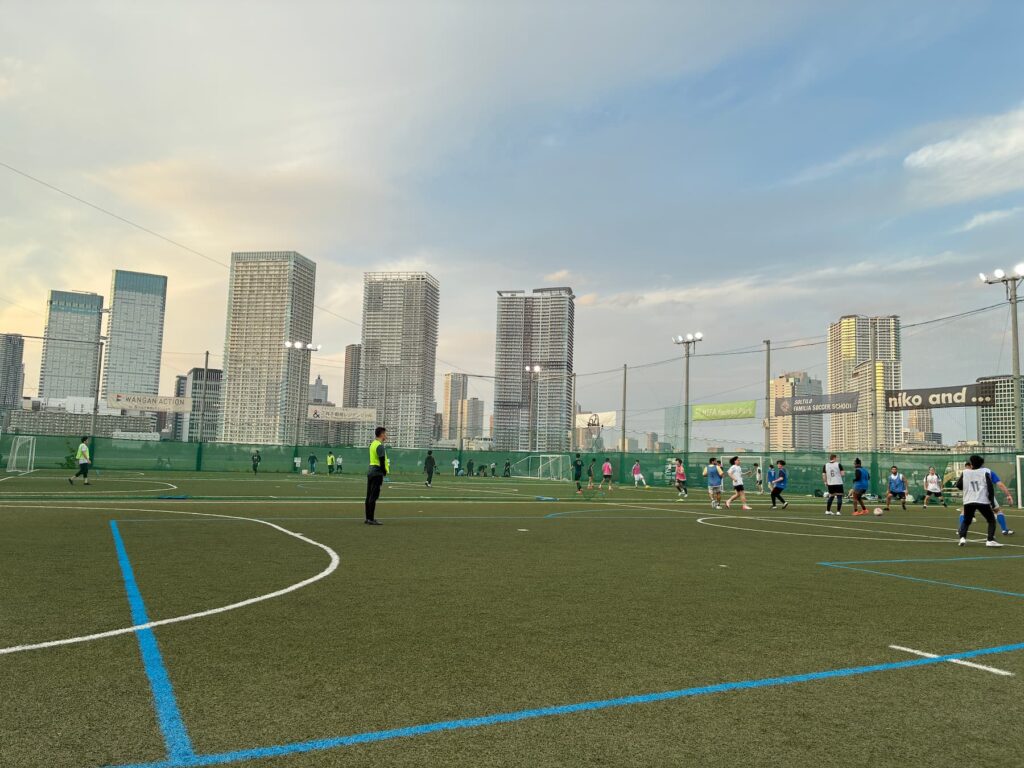
フィールド上にはさまざまな言語で短い声が飛び交い、誰かが鋭い走り込みをし、誰かがシュートを体で止める。そして、ボールがフェンスを越えて駐車場まで飛んでいくと全員で笑います。このとき私の頭の中では、締め切りや実験結果の心配をするスイッチが切られています。この1時間だけは、ただ東京の夜空の下でボールを追いかけ、ラバーチップで滑らないように気をつけているだけの自分になります。
メキシコで育った私にとって、サッカーは街のお祭りのようなものです。人々は軽口を叩き合い、大胆なトリックを試し、どんなゴールでも決勝戦のように祝いました。
その後、アメリカでインターンをしていた頃は、スプリントと激しいタックルの応酬で、とてもスピーディーでフィジカルな試合に参加しました。
東京はまた違う味を持っています。
ここのサッカーはシャープで組織的で、まるで高速のパズルのようですが、同時に驚くほど優しいのです。失敗してもチャレンジしたプレーを称える拍手が起き、ぶつかった時にはすぐに「ごめん」と声が飛び、最後の1秒まで全員が走り続けます。
同じスポーツでも文化によってリズムが変わる——その面白さが、私を何度もここへ戻らせる理由です。
日中、私はAIの研究をしています。データのパターンを探し、さまざまなシグナルを組み合わせ、モデルを訓練し、改善したかどうかを確かめる作業に何時間も費やします。
夜のピッチでは、その生きたバージョンが目の前にあります。プレイヤー一人ひとりが独自のデータソースのようです。教師は教室のようにフィールドを読み、常に正しい位置にいます。ティーンエイジャーは尽きないエネルギーで全力プレスをし、静かなディフェンダーは危険が現れる前に正しいスペースを埋めています。
それらの力がつながると、ランダムに集まっただけの私たちが、何ヶ月も一緒に練習してきたチームのように突然動き始めるのです。
私がもっとも好きなのは、まさにこの「多様性が力になる」瞬間です。良いモデルは学習に多様性を必要とします。良いチームも同じです。異なる背景を持つ人々が、ほんの数分間だけひとつのアイデア、ひとつのテンポ、ひとつのゴールに向かって動きます。私にとって、これこそが東京の夜に起きている「衝突」です。壊す衝突ではなく、新しいものを作る出会いです。
試合終了の笛が鳴ると、現実に戻ります。
握手を交わし、それぞれ違うアクセントで「ナイスゲーム」と声を掛け合い、また街へ散っていきます。終電に走る人もいれば、コンビニで飲み物と軽食を買う人もいます。私は疲れて、靴下に黒いラバーチップがついたまま家へ帰りますが、頭の中は軽くなっています。
日本で過ごす時間を振り返ると、研究プロジェクトや混雑した駅、画面に向かい続けた長い日々を思い出すでしょう。それでも、おそらくもっとも鮮明に心に残るのは、東京の夜のあの試合です。ビルの隙間に隠れた小さなピッチで、サッカーとAI、そして多文化な世界への愛が、照明の下で静かにともに育っていった時間です。