

I was born as the fourth daughter in my family — and after me came another girl, my younger sister. My parents kept trying to have a boy, because in the traditional mindset of villages in the North, having a son was essential. People used to say, “Daughters are not your own children. When they grow up, they become part of their husband’s family.” In contrast, a son was expected to stay nearby after marriage, support his parents, and take care of them in their old age. That’s why, in those days, it was so important to have a son and give him the best environment to develop while for daughters, it was considered enough just to know how to read and write; higher education was unnecessary. And for me, it was never easy to hear, even from neighbors, that I was born because my parent hoped for someone else.
During the 1980s and 1990s, Vietnam’s economy didn’t recover much after wars, and life was hard, having rice on the table was already a blessing. Later, my parents moved our family to Ho Chi Minh city in the South, hoping for a better life. Through their hard work, things gradually improved. In the city, people were more open-minded. Nobody gossiped about “the family with five daughters,” and I had better envirnoment for education and became the first girl in my extended family to graduate from university. Those all made me, I’ve strongly believed in gender equality — and in equality for all people, regardless of race, gender, or background. I’ve always criticized sexist mindsets, especially those that limit girls’ opportunities.
Last month I returned to my village, where my retired parents now live. They moved back because in the countryside, they feel warmer life with their relatives and neighbor. When I arrived, the local government was reconstructing the road and installing new sewage pipes. Every house had to build a temporary bridge from the doorstep to the road. My father, under the hot sun, worked hard to build ours. He hadn’t done physical labor for years, and I could see how exhausted he was. In the city, you can easily hire a handyman, but in the countryside, people do everything themselves. Watching my father struggle, I suddenly understood the reason behind that old traditional mindset—where life depends on physical labor, having sons once meant having security. It wasn’t only about gender preference; it was about survival.
But today, technology has been redefining what “strength” means and what once required sons’ physical strength can now be done by machines. Machines can lift heavy loads. Drones can help farmers monitor crops, IoT devices can remind elderly people to take medicine, detect falls, or even connect them with doctors remotely. With these tools, physical strength is no longer the main source of survival — knowledge and digital literacy are. Technology gives women and men the same opportunity to create, lead, and contribute. It allows elderly people to live safely and independently. It lets children in remote areas access quality education through the internet. In short, it redistributes power — from muscle to mind.
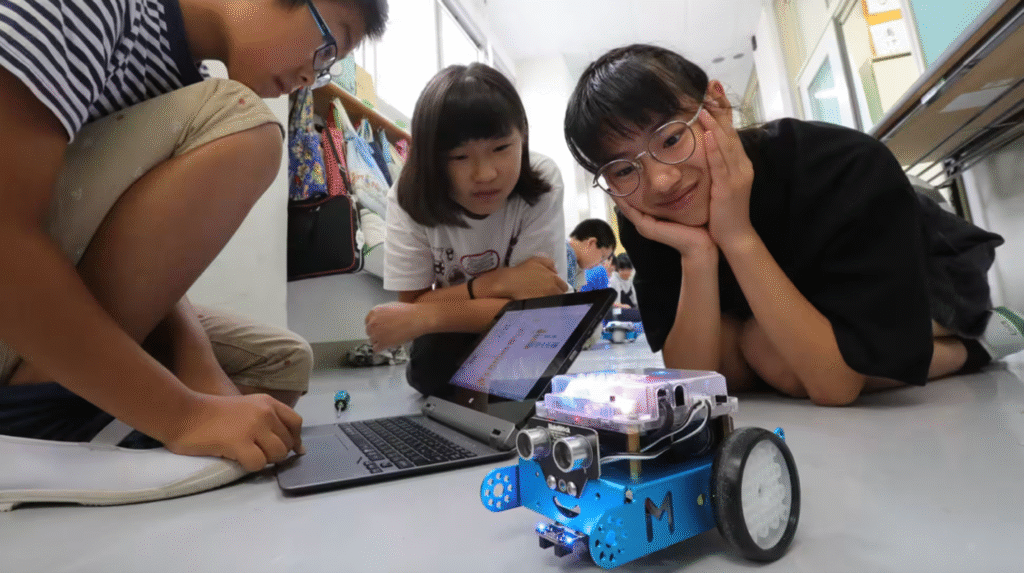
As someone working in the IT industry, I believe this transformation is not only about convenience; it’s about changing the way we think about value, family, and equality. Traditional mindsets were born from necessity — but through technology, we can build a world where those limitations no longer exist. A world where daughters are just as capable of caring for their parents, contributing to society, and shaping the future as sons are. That’s the world I want to help create —where transforms it into something fairer, kinder, and more sustainable for everyone.
(担当:Kiwi)
私は五人姉妹の四女として生まれ、その後にもう一人、妹が生まれました。両親がずっと男の子を望んでいたのは、北部の村では「息子を持つこと」が非常に重要とされていたからです。人々は「娘は自分の子ではない。大きくなって結婚すれば、夫の家の一員になるのだから」と信じていました。
一方で、息子は結婚しても親のそばに住み、親を支え、老後の面倒を見る存在とされていました。だからこそ、当時は「息子を持ち、その息子に最良の環境を与えること」が何よりも大切で、娘には読み書きができれば十分、高等教育など必要ないと考えられていたのです。幼い私は、近所の人に「あなたは、お父さんとお母さんが男の子を望んでいたのに生まれた子なんだね」と言われるたびに、胸が締めつけられるように痛みました。
1980〜1990年代のベトナムは、戦後の経済回復が遅れ、生活は苦しく、食卓に米があるだけでありがたい時代でした。
その後、両親はより良い生活を求めて南部のホーチミン市へ引っ越しました。
両親の懸命な働きのおかげで、私たちの生活は徐々に安定しました。都市では人々の考え方も開放的で、「五人姉妹の家族だ」と噂されることもなく、私はより良い教育環境に恵まれ、一族の中で初めて大学を卒業した女性となりました。
これらの経験を通して、私は「男女平等」、そして「すべての人が平等であるべき」という考えを強く信じるようになりました。特に、女の子の可能性を制限するような性差別的な考えには、ずっと反対してきました。
先月、私は引退後に故郷へ戻った両親のもとを訪ねました。両親は田舎の方が親戚や近所とのつながりが温かく、心地よく過ごせると感じているようです。ちょうどその頃、村では道路の再整備と下水道の設置工事が行われており、各家庭が自分の家の入口から道路まで仮の橋を作る必要がありました。
炎天下の中、父は久しぶりに肉体労働をしながら懸命に橋を作っていました。都市なら業者を呼べばすぐに済むことも、田舎ではすべて自分たちでやるしかありません。
その姿を見て、私はふと、昔の伝統的な考え方の背景にある理由を理解したのです。肉体労働が生活の基盤であった時代には、「息子を持つこと=生活の安定」だったのだと。それは単なる性別の好みではなく、生き抜くための知恵でもあったのです。
しかし現代では、テクノロジーが「強さ」の意味を変えつつあります。かつて息子の体力が必要とされた仕事は、今では機械が代わりに行えるようになりました。重い荷物を持ち上げるのは機械、農作物を見回るのはドローン。IoT機器は高齢者に薬を飲む時間を知らせ、転倒を感知し、遠隔で医師とつなぐこともできます。
こうした技術のおかげで、もはや生存に必要なのは筋力ではなく、知識とデジタルリテラシーです。テクノロジーは男女に平等な機会を与え、人々が創造し、リードし、社会に貢献する力をもたらします。それは高齢者に安全で自立した生活を与え、遠隔地の子どもたちにも質の高い教育を届けることを可能にします。
IT業界で働く者として、私はこの変革は単なる「便利さ」の追求ではなく、「価値観」「家族」「平等」に対する考え方そのものを変えることだと考えています。伝統的な考え方は、生きるための「必要」から生まれたものです。しかし、テクノロジーの力によって、私たちはその制約を超えた世界を築くことができます。
娘も息子と同じように、親を支え、社会に貢献し、未来を形づくる力を持てる世界。私は、そんな世界より公平で、より優しく、そしてすべての人にとって持続可能な世界をつくっていきたいのです。